
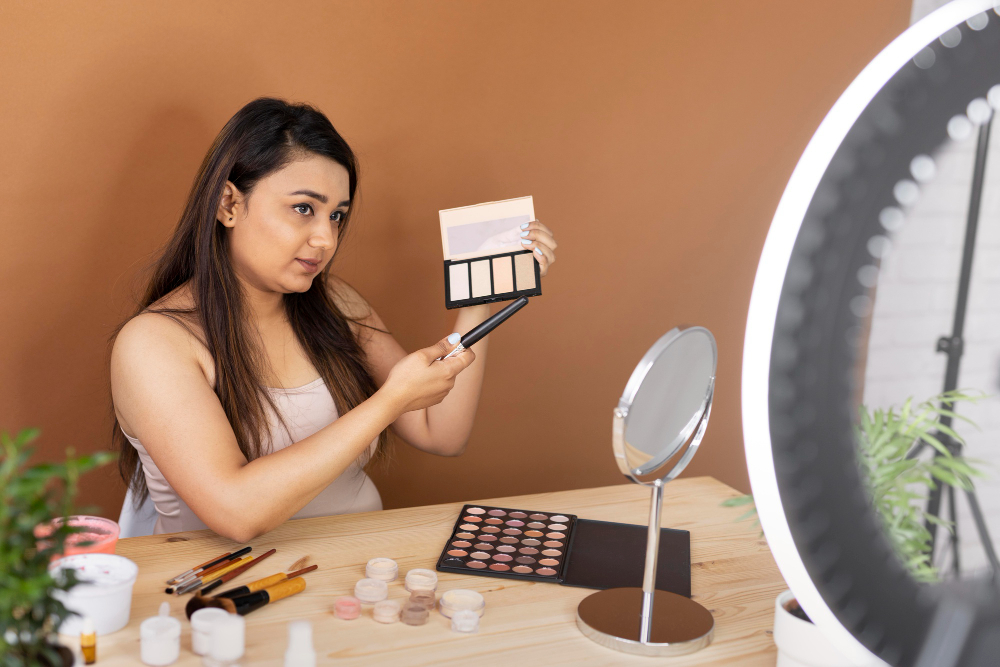
Blush can change the mood of your makeup in seconds, but a color that looks beautiful in the packaging may appear unexpectedly orange, gray or intense on your face. Learning how to choose blush color for your undertone gives you a useful starting point, although your skin depth, preferred finish and personal taste matter just as much.
There is no universal rule that cool skin must wear pink or warm skin must wear peach. Think of undertone suggestions as a shopping shortcut, not a restriction. The best blush is one you enjoy wearing in natural light and can blend comfortably with the rest of your makeup.
Understand Undertone Versus Skin Depth
Your surface skin color may change with sun exposure, while undertone describes the subtle underlying hue often described as cool, warm or neutral. People of any skin depth can have any undertone. Cool undertones are commonly associated with pinkish or bluish impressions, warm undertones with golden or peachy impressions, and neutral undertones with a mix. Olive skin can have an additional greenish or muted quality, which simple online quizzes may overlook. A makeup counter or natural-light swatches can be more informative than guessing from wrist veins.
Blush Colors to Test for Cool Undertones
Cool pink, rose, soft berry and certain mauve shades can create a harmonious look on cool undertones. For light skin, test a sheer cool rose rather than a very saturated pigment straight away. On deeper skin, richer berry or vivid raspberry may show more clearly than pale powder. A cool blush is not the only possibility: a warm peach can create intentional contrast when used lightly. Choose the effect you want rather than trying to match a formula exactly.
Blush Colors to Test for Warm Undertones
Peach, apricot, warm coral, terracotta and some rosy-brown shades are common starting points. A soft peach can appear natural on lighter warm skin, while vibrant coral or warm berry may be more visible on deeper complexions. Test colors on the cheek rather than only the hand, because facial skin and surrounding makeup change the appearance. If a blush looks too orange, try a more muted peach-rose or apply less pigment with a softer brush.
Neutral and Olive Undertone Options
Neutral undertones often accommodate both cool and warm blush colors, but saturation and finish still matter. Dusty rose, balanced peach-pink and muted berry can be versatile options. On olive skin, some pastel pinks may look chalky and some warm oranges may pull unusually bright. Test a soft rose-brown, warm mauve or muted terracotta against your actual complexion. There is no single olive-skin blush color because olive undertones occur across different skin depths.
Match Blush Intensity to Your Skin Depth
A useful rule is to check visibility, not just undertone. Very pale blush may disappear on deeper skin unless it has enough pigment, while a saturated blush can look strong on fair skin with one full brush stroke. Start with a small amount and build gradually. If you prefer a barely-there finish, look for sheer textures. If you enjoy editorial makeup, bright pink or red may be exactly right. Personal style is a valid reason to go beyond conventional recommendations.
Powder, Cream or Liquid Blush?
Powder blush is easy to layer over set makeup and can be convenient for people who prefer less shine. Cream formulas may give a soft finish, especially on skin that looks dry with powder, but they vary widely in texture. Liquid blush can be highly pigmented, so use a small amount first. Always check the product’s instructions and consider how it interacts with sunscreen and foundation. Hygiene matters: keep applicators clean and avoid sharing products used directly on the skin.
Where to Place Blush for Different Looks
Placing blush on the apples of the cheeks can create a fresh, rounded effect. Blending slightly upward toward the temples can feel more lifted. Applying blush across the nose can reference a sun-kissed makeup style, but it is an aesthetic choice, not a substitute for sun protection. If you wear glasses, consider how the frames overlap with the cheeks. There is no face shape that absolutely requires one placement: try both and take a photograph in daylight.
How to Test Blush Before Buying
When possible, compare two or three shades rather than sampling an entire display. Swatch safely using disposable applicators and do not apply unhygienic testers directly to your face. Check the blush in daylight or near a window, and see whether the shade changes after blending. If shopping online, look for images on several skin tones and review ingredient and return information. Camera filters, lighting and screen settings can distort color significantly.
Common Shopping Mistakes
Avoid buying a shade solely because a creator with a different skin depth recommends it. A blush labeled “universal” is not guaranteed to look identical on everyone. Do not assume an expensive formula has superior color payoff for your needs. And if the product irritates your skin, stop using it rather than trying to make the color work. Check cosmetic expiry and keep brushes clean.
FAQs
Can cool undertones wear peach blush?
Absolutely. Peach can create a lovely contrast. Try a small amount and compare it with a cooler rose to see which finish you prefer.
What if I cannot identify my undertone?
Start with a balanced rose or peach-pink, test it on your cheeks in natural light and adjust from there. Undertone labels are guides, not requirements.
Conclusion
Undertone can narrow your blush options, but skin depth, formula and the effect you want are equally important. Try colors in good lighting, blend gradually and choose what makes you feel confident. Find more everyday makeup tips at Fashion Saving.