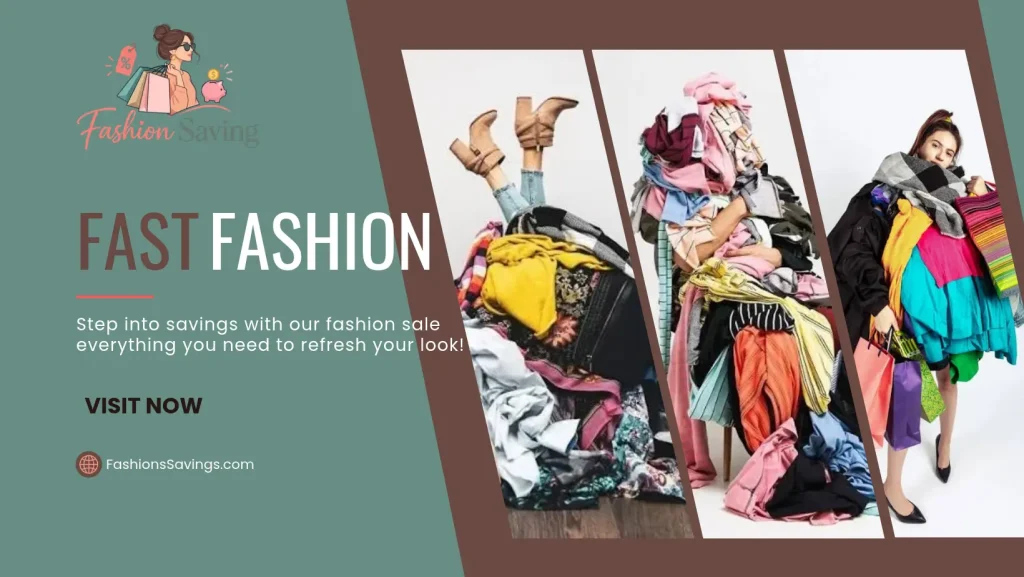
Fashion trends are changing faster than ever. A new outfit can become popular overnight, appear in online stores within weeks, and disappear from shopping feeds just as quickly. While affordable clothing makes fashion accessible to more people, the speed of modern clothing production raises an important question: what is fast fashion, and how does it affect workers, the environment, and our wardrobes?
Fast fashion is a clothing business model focused on producing trendy garments quickly and selling them at relatively low prices. Brands regularly introduce new styles to respond to changing consumer demand. Although this approach makes fashionable clothing widely accessible, rapid production and frequent consumption can contribute to environmental damage, textile waste, and labour-related concerns.
However, not every inexpensive garment is fast fashion, and expensive clothing is not automatically sustainable.
Understanding how the industry works can help you make more informed choices without giving up your personal style or exceeding your budget.
In this Fashion Saving guide, we’ll explore the history of fast fashion, how brands operate, its environmental and social impacts, and practical ways to build a more thoughtful wardrobe.
What Is Fast Fashion?
Fast fashion refers to a clothing production and retail model that moves new designs from concept to market rapidly. Its main goal is to respond to current trends, offer frequent new collections, and attract shoppers through accessible prices.
Traditional fashion companies often planned collections around major seasons. Fast fashion retailers accelerated this process, introducing new products more frequently.
Today, online shopping and social media allow trends to spread almost instantly, creating pressure to release new clothing even faster.
Fast Fashion Meaning in Simple Words
Fast fashion means making and selling fashionable clothes quickly, often at low prices.
Imagine seeing a popular outfit online and finding a similar design available from a retailer shortly afterward. That rapid response is a common feature of the fast fashion business model.
However, the term describes more than inexpensive clothing. Production speed, frequent product launches, high volumes, and short trend cycles are equally important.
What Are the Main Characteristics of Fast Fashion?
Fast fashion businesses commonly share several characteristics:
- Rapid clothing design and production.
- Frequent introduction of new styles.
- Competitive or unusually low prices.
- Strong attention to current trends.
- Large product selections and high sales volumes.
- Marketing that encourages frequent shopping.
Individual brands may use different combinations of these practices.
What Is an Example of Fast Fashion?
A simple example is a retailer introducing new clothing inspired by a popular social media trend, promoting it at an affordable price, and replacing it with newer styles soon afterward.
Shoppers may purchase the item because it feels fashionable and inexpensive, even when they already own similar clothing.
This cycle of rapid production, promotion, purchasing, and replacement helps explain how fast fashion operates.
The History and Rise of Fast Fashion
Fast fashion did not emerge overnight. It developed as clothing manufacturing, global trade, transportation, and consumer shopping habits changed.
How the Fast Fashion Industry Started
For much of the twentieth century, clothing collections followed relatively predictable seasonal schedules.
Designers planned styles months ahead, while manufacturers prepared products for upcoming seasons.
As ready-to-wear clothing expanded, retailers began introducing new designs more frequently.
By the late twentieth century, improvements in manufacturing and distribution allowed businesses to respond to changing trends faster.
How Clothing Production Changed Over Time
Advances in technology improved design, manufacturing coordination, and inventory management.
Retailers could analyze sales information, adjust production schedules, and identify popular products more efficiently.
Instead of relying only on seasonal collections, businesses began refreshing their selections throughout the year.
This shift helped establish the rapid clothing cycles now associated with fast fashion.
The Role of Globalization and Low-Cost Manufacturing
Globalization transformed clothing production by allowing companies to source materials and manufacture garments across different countries.
Brands could work with suppliers offering specialized production services and competitive prices.
These arrangements made affordable clothing more accessible but also created complex supply chains.
When buyers demand lower prices and shorter delivery times, suppliers may experience pressure that affects workers, production planning, and quality.
How Social Media Accelerated Fashion Trends
Social media has made fashion inspiration instantly available.
Outfits worn by celebrities, influencers, and everyday users can attract international attention within hours.
Short videos, shopping links, and personalized recommendations encourage people to discover new styles continuously.
As trends change more quickly, retailers face increasing pressure to introduce products that match consumer interest.
How Does Fast Fashion Work?
Understanding how fast fashion works helps explain why clothing can appear in stores at low prices and in such large quantities.
The process generally involves identifying trends, designing garments, sourcing materials, manufacturing, distribution, and promotion.
Trend Research and Clothing Design
Retailers study runway fashion, popular culture, online searches, sales information, and social media trends.
Design teams use this information to identify clothing styles that may attract buyers.
Some companies create new collections, while others adjust familiar designs by changing colors, fabrics, or details.
The objective is to offer products while consumer interest remains high.
Rapid Manufacturing and Global Supply Chains
After finalizing a design, companies coordinate fabric sourcing, manufacturing, packaging, and transportation.
Some retailers use suppliers located near their main markets, while others rely on international production networks.
Fast turnaround times require careful coordination.
When production schedules become too demanding, the risks may include overtime pressure, inconsistent quality, and limited opportunities to address manufacturing problems.
Low Pricing and Mass Production
Low prices attract shoppers, but they can also encourage frequent purchases.
Retailers may reduce costs through large production volumes, simplified garment construction, inexpensive materials, and efficient distribution.
However, low prices do not automatically prove that workers are underpaid or that a product is poorly made.
Understanding a company’s sourcing practices provides a more reliable picture than price alone.
Frequent Collections and Short Fashion Cycles
Many fast fashion retailers introduce new styles throughout the year.
Frequent releases give customers reasons to revisit stores and online shopping platforms.
Limited-time promotions and changing selections can also create urgency.
When shoppers continually replace clothing to follow trends, consumption increases even if individual purchases seem inexpensive.
What Is Ultra-Fast Fashion?
Ultra-fast fashion is an accelerated version of the fast fashion model.
It combines online trend monitoring, data analysis, rapid product development, and highly responsive production systems.
How Ultra-Fast Fashion Differs From Traditional Fast Fashion
Traditional fast fashion shortened clothing production cycles compared with conventional seasonal retail.
Ultra-fast fashion can operate with even shorter development timelines and larger numbers of constantly changing online product listings.
However, not every ultra-fast fashion retailer follows exactly the same manufacturing process.
How Data and Social Media Influence New Designs
Online platforms can monitor customer searches, product views, purchases, and emerging trends.
Retailers may use this information to decide which products deserve further production or promotion.
This makes businesses more responsive, but it may also reinforce demand for frequent new clothing.
Why Is Fast Fashion So Popular?
Fast fashion has grown partly because it addresses genuine consumer needs, including affordability, convenience, and access to current styles.
Affordable Prices and Trendy Clothing
Clothing can be expensive, especially for students, families, and people managing limited budgets.
Lower-priced retailers make it easier to buy everyday essentials and experiment with different outfits.
This accessibility is an important reason fast fashion appeals to a broad audience.
The Influence of Social Media and Influencers
Fashion creators regularly share outfit ideas, shopping recommendations, and seasonal trends.
These posts can inspire people to experiment with new looks.
However, constant exposure to new products may also make clothing feel outdated sooner than necessary.
Convenient Online Shopping and Frequent New Arrivals
Online stores make browsing clothing easy.
Customers can compare products, review prices, and arrange delivery without visiting physical shops.
Frequent new arrivals create variety and encourage repeat visits.
Why Consumers Feel Pressure to Buy More Clothes
Limited promotions, trend cycles, and social comparison can create a sense of urgency.
Some shoppers feel they need a different outfit for every event or photograph.
Recognizing this pressure makes it easier to separate genuine clothing needs from temporary shopping impulses.
What Are the Advantages and Disadvantages of Fast Fashion?
Fast fashion offers practical benefits, but its wider effects deserve attention.
Advantages of Fast Fashion
Affordable Clothing and Trend Accessibility
Affordable clothing allows more people to participate in fashion trends and develop personal style.
This matters particularly to shoppers who cannot regularly purchase premium or designer products.
Variety, Convenience, and Consumer Choice
Large product selections offer options for different occasions, preferences, and budgets.
Convenient shopping experiences can also help people find clothing quickly when needed.
Disadvantages of Fast Fashion
Overproduction and Short Clothing Lifespans
When companies produce clothing faster than demand justifies, unsold stock and textile waste can increase.
Frequent trend changes may encourage consumers to discard wearable garments prematurely.
Environmental and Labour Concerns
Large-scale textile production uses materials, water, energy, and chemicals.
Meanwhile, intense production schedules and purchasing pressures can contribute to labour risks in some supply chains.
The overall consequences depend on company practices, production volumes, product quality, and consumer behaviour.
The Environmental Impact of Fast Fashion
The environmental impact of fast fashion extends across the clothing lifecycle, from raw material production to manufacturing, transportation, washing, and disposal.
According to the United Nations Environment Programme, the broader textile industry contributes an estimated 2% to 8% of global greenhouse gas emissions.
This figure covers the textile sector generally, not fast fashion alone.
Water Consumption and Water Pollution
Producing textiles requires water for growing certain fibres, processing materials, and manufacturing clothing.
Cotton cultivation can involve substantial irrigation, depending on location and farming practices.
Dyeing and finishing processes also use water and chemicals.
If factories fail to manage wastewater appropriately, nearby rivers and ecosystems may be affected.
Water use varies considerably by material, production method, and region.
Carbon Emissions and Energy Use
Clothing production involves energy-intensive processes such as fibre manufacturing, fabric production, dyeing, and finishing.
Transport, retail operations, and garment care also contribute emissions.
Synthetic fibres such as polyester are commonly produced using fossil-based raw materials.
According to UNEP’s 2025 textile research, increasing fibre production is a major driver of the industry’s resource demands.
Reducing unnecessary production and improving manufacturing efficiency can help address these impacts.
Textile Waste and Clothing Landfills
Clothing waste is a major environmental concern.
A 2025 UNEP report estimates that approximately 92 million tonnes of textile waste are generated worldwide each year.
For the United States, the Environmental Protection Agency estimated approximately 13 million US tons of clothing and footwear waste in 2018.
These figures cover textiles or clothing more broadly, rather than waste exclusively caused by fast fashion.
Garments may be discarded because of damage, changing preferences, poor fit, or limited opportunities for reuse.
Producing fewer unwanted items and keeping existing clothing in use longer can reduce waste.
Synthetic Fabrics and Microplastic Pollution
Synthetic textiles can release tiny fibres during manufacturing, wearing, and washing.
Some of these fibres are microplastics.
The European Environment Agency identifies synthetic clothing as one source of microplastic pollution.
Washing practices, fabric construction, and filtration technologies can influence fibre release.
However, microplastic pollution is a broader issue involving many industries and products.
Chemical Dyes and Textile Manufacturing
Textile dyeing and finishing may involve chemicals that require careful handling.
Poor manufacturing controls can affect workers, water quality, and surrounding communities.
Responsible production involves appropriate chemical management, wastewater treatment, and workplace protections.
Consumers can look for specific, independently verified manufacturing information rather than relying on vague environmental marketing claims.
Why Recycling Alone Cannot Solve Fast Fashion Waste
Recycling can recover certain materials, but textile recycling faces technical and economic challenges.
Blended fabrics, dyes, trims, and garment construction can make separation difficult.
UNEP’s 2025 research estimated that less than 1% of the global fibre market came from textile-to-textile recycling in 2023.
Recycling remains useful, but it cannot replace efforts to reduce overproduction, improve garment durability, and increase reuse.
How Does Fast Fashion Affect Garment Workers?
The clothing industry provides employment to millions of people worldwide, including many women.
However, some workers face low wages, unsafe conditions, discrimination, and pressure from demanding production schedules.
The International Labour Organization highlights these challenges across textile and clothing supply chains.
Low Wages and Poor Working Conditions
Clothing brands often purchase garments from independent suppliers rather than manufacturing everything themselves.
When suppliers face strict prices and short deadlines, workers may experience pressure.
Low wages and inadequate workplace protections have been documented in parts of the industry.
However, working conditions differ between factories, countries, and employers.
Long Working Hours and Production Pressure
Factories may need to meet demanding delivery schedules.
Without adequate safeguards, production pressure can contribute to excessive overtime and worker fatigue.
Responsible purchasing practices should allow realistic manufacturing timelines and support compliance with labour standards.
Factory Safety and the Rana Plaza Disaster
On April 24, 2013, the Rana Plaza building collapsed in Bangladesh.
The disaster killed more than 1,100 people, many of whom worked in garment factories.
It drew international attention to building safety, labour rights, and corporate responsibility.
Following the tragedy, factory inspection and safety initiatives expanded.
The International Labour Organization documents both improvements and ongoing challenges.
Child Labour, Forced Labour, and Supply Chain Risks
Complex supply chains can make it difficult for companies to identify every workplace involved in production.
Risks may include child labour, forced labour, recruitment abuses, and restrictions on workers’ rights.
These problems are not unique to fast fashion.
Brands should assess risks, monitor suppliers, protect workers’ ability to report concerns, and address abuses when identified.
What Is a Living Wage in the Fashion Industry?
A living wage generally refers to compensation sufficient to support a decent standard of living for a worker and their family, within a reasonable working schedule.
It differs from a legal minimum wage, which may not cover all essential living costs.
Living-wage estimates depend on location and household needs.
Improving pay requires cooperation among employers, buyers, governments, and worker representatives.
Fast Fashion Brands and Real-World Examples
Understanding the question “what is fast fashion?” requires looking at how a company designs, produces, markets, and sells clothing, not just the prices on its labels.
Price alone is not enough.
What Makes a Clothing Brand Fast Fashion?
A fast fashion business typically emphasizes rapid trend response, frequent product releases, and high-volume clothing sales.
Its sourcing practices, production timelines, and purchasing strategy are important indicators.
A retailer can sell affordable clothing without necessarily following every feature of this model.
Examples of Common Fast Fashion Business Models
Zara and H&M are frequently discussed as examples of fast fashion retailers because of their trend-responsive retail approaches.
Shein is often discussed in connection with ultra-fast fashion because of its online-first, data-driven product model.
These classifications describe business strategies rather than providing a complete assessment of each company’s current labour or environmental performance.
Fast Fashion vs. Ultra-Fast Fashion Brands
The difference primarily involves the speed and scale of product development.
Ultra-fast fashion places greater emphasis on rapid online trend analysis and constantly changing selections.
Traditional fast fashion may combine physical stores, online sales, and recurring product collections.
Specific business practices can change over time.
How to Evaluate a Brand’s Labour and Environmental Claims
Look for accessible supplier information, meaningful labour policies, measurable environmental targets, and independent evidence.
Check whether claims cover a single product, a particular collection, or the company’s wider operations.
Avoid assuming that one recycled material or sustainability label proves an entire brand is responsible.
Fast Fashion vs. Slow Fashion vs. Sustainable Fashion
These terms are related, but they describe different approaches.
What Is Slow Fashion?
Slow fashion encourages thoughtful design, durable clothing, longer use, and less frequent purchasing.
It focuses on making the most of garments rather than constantly replacing them.
Slow fashion does not necessarily require expensive clothing.
What Is Sustainable Fashion?
Sustainable fashion aims to reduce negative environmental and social impacts throughout clothing production, use, and disposal.
Its goals may include responsible materials, fair working conditions, reduced waste, and greater transparency.
No clothing product is completely impact-free.
Key Differences in Production, Quality, and Consumption
| Feature | Fast Fashion | Slow Fashion | Sustainable Fashion |
| Main focus | Rapid trends and sales | Longevity and thoughtful consumption | Lower social and environmental impacts |
| Production | Often frequent and rapid | Generally more deliberate | Depends on production model |
| Pricing | Commonly low | Varies | Varies |
| Durability | Varies by garment | Often prioritised | Often prioritised |
| Consumer approach | Frequent new options | Fewer, longer-lasting purchases | Informed purchasing and use |
These are broad tendencies, not guarantees about individual products.
Is Sustainable Fashion Always More Expensive?
No. Some responsible products have higher upfront prices, but others may be accessible.
Secondhand clothing, repairs, swaps, and wearing existing garments longer can reduce spending.
A higher retail price does not automatically mean better labour practices or lower environmental impact.
Can Affordable Clothing Also Be Sustainable?
Affordable clothing can offer durability, practical value, and more responsible production characteristics.
The important questions concern how an item was made, how long it lasts, and how often it is used.
For practical outfit planning, explore Fashion Saving’s capsule wardrobe and styling guides.
How to Identify Fast Fashion and Greenwashing
Shoppers can make better decisions by looking beyond advertising and price tags.
Signs of Fast Fashion Clothing and Retail Practices
Common indicators include very frequent product releases, rapid trend replication, large selections, and strong emphasis on constant purchasing.
However, these features must be considered together.
An occasional sale or inexpensive basic garment does not automatically make a retailer fast fashion.
How to Check Fabric Quality and Clothing Durability
Inspect stitching, seams, fabric density, buttons, zippers, and care instructions.
Check whether the garment maintains its shape and feels suitable for repeated wear.
Online shoppers should review measurements, materials, and return policies.
Quality varies within every price category.
Why Low Prices Alone Do Not Prove a Brand Is Fast Fashion
Clothing prices reflect many factors, including manufacturing costs, distribution, brand positioning, and retail margins.
Expensive products can still be mass-produced, while inexpensive items may remain useful for years.
Understanding the overall business model is more informative than focusing only on the price.
What Is Greenwashing in the Fashion Industry?
Greenwashing occurs when environmental marketing creates a misleading impression about a product or business.
For example, a company might describe clothing as environmentally friendly without explaining the evidence behind that claim.
The UK’s Competition and Markets Authority advises retailers to make environmental claims clear, accurate, and properly supported.
How to Check Sustainability Labels and Certifications
Look for specific claims, recognized verification schemes, and information explaining what has been assessed.
A certification may cover materials, chemical management, working conditions, or another defined issue.
It does not necessarily certify every aspect of a brand.
When evidence is unclear, avoid treating broad terms such as “green” or “conscious” as proof.
How to Avoid Fast Fashion Without Spending More
Reducing dependence on fast fashion does not mean replacing your wardrobe with expensive products.
Small, practical decisions can help you spend thoughtfully.
Buy Fewer Clothes and Wear Them Longer
Start by checking what you already own.
Choose clothing that works with your everyday routine and can be worn repeatedly.
Before buying something new, consider whether it fills a genuine wardrobe gap.
Build a Versatile Capsule Wardrobe
A capsule wardrobe uses a manageable collection of clothing that can be combined in different ways.
Neutral basics, comfortable trousers, versatile jackets, and practical shoes provide a useful starting point.
The goal is not to follow a strict clothing limit but to make outfit planning easier.
Shop Secondhand, Thrift, or Vintage
Secondhand shopping can provide affordable alternatives to newly manufactured clothing.
Check garments carefully for stains, damage, missing buttons, and sizing differences.
Buying secondhand is most useful when you choose items you genuinely intend to wear.
Repair, Alter, and Reuse Existing Clothes
Simple repairs can extend the life of garments.
Replacing buttons, fixing seams, hemming trousers, and repairing small tears may cost less than buying replacements.
You can also alter existing clothing to create new outfit combinations.
Choose Quality Over Short-Term Trends
When comparing garments, consider construction, fabric, comfort, and how often you expect to wear each item.
A versatile piece that lasts several years may offer greater value than a cheaper garment worn only once.
Consider Clothing Swaps, Rentals, and Resale
Clothing swaps allow people to exchange wearable garments without purchasing new products.
Renting may be useful for occasional formalwear, while resale platforms offer another way to extend clothing use.
These approaches are part of a broader circular fashion model.
The Ellen MacArthur Foundation identifies resale, repair, rental, and remaking as important circular business models.
Affordable Alternatives to Fast Fashion in the USA and UK
Fashion Saving focuses on affordable style, so practical shopping advice matters as much as sustainability information.
Where to Find Secondhand Clothing in the USA
US shoppers can explore thrift stores, consignment shops, community resale events, and online secondhand marketplaces.
Local charity-operated stores may also provide useful options.
Compare prices and garment quality rather than assuming every secondhand purchase is a bargain.
Charity Shops and Resale Options in the UK
UK readers can explore charity shops, vintage markets, clothing swaps, and resale platforms.
Independent secondhand shops may offer distinctive garments and accessories.
Always review sizing and clothing condition, particularly when buying vintage items.
How to Compare Clothing Quality and Cost per Wear
Cost per wear is a simple way to evaluate clothing value.
Divide the purchase price by the estimated number of times you expect to wear the garment.
For example, a £40 jacket worn 80 times costs approximately £0.50 per wear.
A £15 top worn only three times costs £5 per wear.
These examples are illustrative, but they show why the cheapest purchase is not always the best value.
Tips for Buying Affordable and Longer-Lasting Clothes
Choose garments that fit well, feel comfortable, and work with multiple outfits.
Read care labels before buying.
Compare materials and construction rather than relying only on brand names.
You can find more practical ideas in Fashion Saving’s smart shopping and savings guides.
What to Do When Sustainable Brands Are Outside Your Budget
You do not need to purchase premium ethical clothing to make thoughtful choices.
Continue wearing garments you already own, repair what you can, and consider secondhand options.
If you need affordable new clothing, choose pieces that meet your practical needs and care for them properly.
Responsible shopping should acknowledge real financial limitations.
What Is Being Done to Reduce Fast Fashion’s Impact?
Addressing fast fashion requires action from businesses, governments, manufacturers, and consumers.
Individual shopping decisions can help, but industry-wide problems also require structural changes.
Fashion Industry Sustainability Initiatives
Some fashion companies are exploring recycled materials, improved manufacturing methods, clothing repair, and resale programs.
These initiatives may provide benefits, but their effectiveness depends on implementation and scale.
Reducing unnecessary production remains an important challenge.
The Role of Governments and Clothing Regulations
Governments can introduce rules covering waste management, product information, environmental claims, and labour protections.
Regulations vary between countries and should be evaluated within their specific legal contexts.
European Union Textile Waste and Ecodesign Rules
The European Union has introduced measures intended to encourage longer-lasting products and reduce textile waste.
From July 19, 2026, large companies covered by the relevant EU rules are prohibited from destroying certain unsold clothing, accessories, and footwear, subject to permitted exceptions.
The measure forms part of the Ecodesign for Sustainable Products Regulation.
Textile Waste and Policy Developments in the USA and UK
The United States and United Kingdom have different approaches to textile waste, consumer protection, and environmental claims.
In the UK, the Competition and Markets Authority has published guidance specifically addressing environmental marketing in fashion retail.
In the USA, the Federal Trade Commission provides guidance on environmental advertising claims.
Readers should check current regional requirements rather than assuming one country’s rules apply internationally.
Circular Fashion and Extended Producer Responsibility
Extended producer responsibility policies can require producers to contribute to the management of products after use.
Circular fashion also encourages clothing repair, resale, reuse, and material recovery.
These approaches aim to reduce the need for constant new production.
Why Brands Must Address Overproduction and Supply Chains
Recycling initiatives alone cannot resolve every problem associated with fast fashion.
Businesses also need to consider product quantities, supplier relationships, wages, workplace safety, and durability.
Meaningful progress requires changes throughout the clothing lifecycle.
Common Myths About Fast Fashion
Several misconceptions can make the topic unnecessarily confusing.
Is All Cheap Clothing Fast Fashion?
No. Affordable pricing alone does not define fast fashion.
Production speed, sales volume, collection frequency, and business practices also matter.
Does Expensive Clothing Always Mean Better Quality?
No. Higher prices can reflect branding and marketing as well as materials or construction.
Evaluate each garment individually.
Is Buying Secondhand Always the Best Option?
Secondhand shopping can reduce demand for newly manufactured clothing, especially when it replaces a new purchase.
However, buying excessive amounts of secondhand clothing can still create waste and unnecessary spending.
Can Recycling Clothes Completely Solve the Problem?
No. Recycling has limitations, particularly for blended fabrics and complex garments.
Reducing overproduction, repairing clothing, and extending garment use remain important.
Are Consumers Alone Responsible for Fast Fashion’s Impact?
No. Consumers influence demand, but companies, regulators, suppliers, and industry systems shape production and working conditions.
Responsibility must be shared.
Frequently Asked Questions About Fast Fashion
What Is Fast Fashion in Simple Terms?
Fast fashion is a business model that quickly produces trendy clothing and sells it at relatively low prices. It typically involves frequent new designs and rapid production cycles.
Why Is Fast Fashion Called Fast Fashion?
It is called fast fashion because companies move clothing from design to sale quickly and respond rapidly to changing trends.
When Did Fast Fashion Become Popular?
Modern fast fashion developed during the late twentieth century and expanded significantly during the 1990s and 2000s as global production and retail systems became faster.
Why Is Fast Fashion Bad for the Environment?
Fast fashion can encourage overproduction and frequent clothing replacement. Textile manufacturing also uses water, energy, chemicals, and raw materials, while discarded garments contribute to waste.
How Does Fast Fashion Affect Workers?
In some supply chains, intense cost and delivery pressures contribute to low wages, long working hours, and inadequate safety protections. Conditions vary by employer and location.
What Materials Are Commonly Used in Fast Fashion?
Common materials include polyester, cotton, viscose, nylon, and blended fabrics. Material choices differ by garment and retailer.
Is Fast Fashion Cheaper Than Sustainable Fashion?
Fast fashion often offers lower upfront prices, but responsible clothing options are available at different price points. Secondhand shopping and longer garment use can also reduce costs.
What Is the Difference Between Fast and Ultra-Fast Fashion?
Ultra-fast fashion generally relies on even shorter production cycles, rapid online trend monitoring, and highly responsive product development.
How Can I Tell if a Brand Is Fast Fashion?
Review how frequently it releases products, how it responds to trends, its production practices, and the information it shares about suppliers.
Can Fast Fashion Ever Be Sustainable?
Individual improvements are possible, but a business model built around continually increasing clothing production faces significant sustainability challenges.
How Can Students Avoid Fast Fashion on a Budget?
Students can shop secondhand, exchange clothing with friends, repair garments, and choose versatile pieces that work across different outfits.
What Are the Best Alternatives to Fast Fashion?
Practical alternatives include wearing existing clothes longer, choosing durable garments, shopping secondhand, repairing clothing, renting occasional outfits, and buying thoughtfully.
Conclusion Making Smarter Fashion Choices
So, what is fast fashion, and why does it matter?
Fast fashion is a retail and production model built around making trendy clothing available quickly and affordably. It has made fashion more accessible, but frequent clothing production and consumption can create environmental and social challenges.
The most important concerns include textile waste, resource use, pollution, and risks to garment workers.
However, making better choices does not require an expensive wardrobe.
Wearing clothes longer, exploring secondhand options, repairing garments, and shopping with a clear purpose can all make a difference.
At Fashion Saving, we believe style and thoughtful spending can go together.
Explore our affordable fashion ideas and discover practical ways to create outfits you love while making smarter wardrobe decisions.